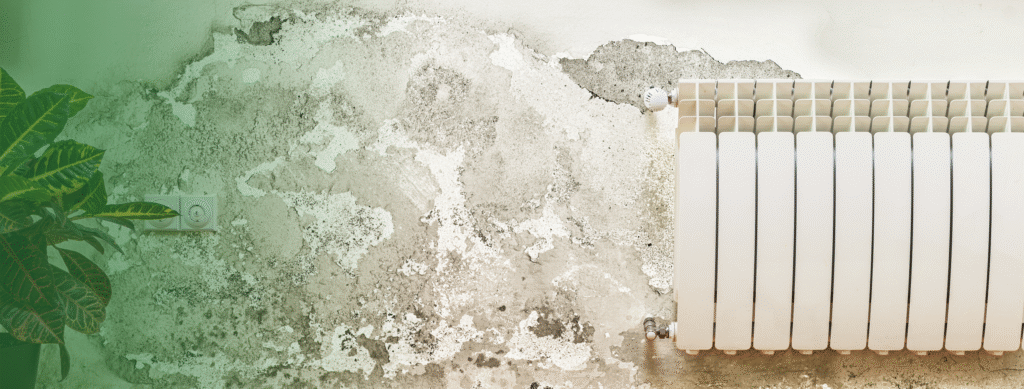
In Australian homes, condensation builds up during the night. Because of the hot and humid air indoors, windows start to collect water droplets as they get cold at night. If this phenomenon is ignored, you risk your property and your family’s health. Mould starts appearing, wooden frames start to rot, paint peels away, and air quality goes downhill because of untreated condensation.
This guide provides reliable tips and essential knowledge about condensation causes, treatments, and side effects. If you’re wondering how to Reduce Condensation on Windows overnight, this guide will answer your question with practical and effective solutions.
Why Does Condensation Happen on Your Windows?
Condensation happens when humid air meets a cold surface, like the glass of your window. That sudden drop in temperature turns some of the moisture into tiny water droplets you can actually see.
So, what causes all that moisture?
- Cooking
- Showering
- Drying clothes inside
- Even just breathing
Poor airflow is a big culprit, especially in spots like the bathroom, kitchen, or bedrooms.
Not enough insulation or old windows just make things worse.
Homes with timber frames or double-glazed windows can be hit hard if there’s not enough ventilation.
And, if you’ve got any subfloor moisture problems and the air doesn’t move around much, condensation’s going to stick around, which is even more dangerous.
10 Proven Tips to Stop Condensation on Windows Overnight
As experts in providing relief from window condensation, here are a few proven tips on how to Reduce Condensation on Windows for you to try:
1. Improve Home Ventilation
Ventilation is not some fancy term, nor does it need a fancy appliance. It’s one of the best and cheapest ways to stop window condensation and get fresh air moving indoors. Open windows on opposite sides to create a cross-breeze. Stale air will be continuously replaced by fresh outside air.
2. Use Moisture Absorbers and Dehumidifiers
To remove moisture from the air, moisture absorbers are used in bedrooms, closets, and even windowsills. Whereas in larger spaces, a dehumidifier can work wonders. It pulls in humid air and releases heated, dry air.
3. Keep Curtains Open Slightly at Night
Shutting curtains all the way traps warm air against cold window glass, increasing the chances of condensation. Leave a little gap open so air can freely move between the curtain and the window.
4. Use Exhaust Fans in Bathrooms and Kitchens
The kitchen and bathrooms are used multiple times a day, producing huge amounts of humidity. Leave exhaust fans running behind you for 15 – 20 minutes after you’re done washing or cooking. Doing this will rid the room of excess moisture.
5. Maintain a Consistent Indoor Temperature
Sudden temperature drops increase the likelihood of condensation. Keeping your home at a stable, moderate temperature overnight reduces the contrast between indoor air and window surfaces.
Even gentle background heating can help prevent moisture from forming.
6. Check for Subfloor Dampness
Hidden moisture is often found in subfloors, as it’s harder to reach or see. If your subfloors are not ventilated properly, the moisture will eventually rise from under the floorboards of your house.
Contact professionals in subfloor ventilation to dry out the empty space under your house.
7. Regular Maintenance & Cleaning
Cleaning all surfaces on a routine basis is important as dust and mould spores stick to glass and walls. If not removed, the mould will spread and worsen the situation.
Inspect timber frames for early signs of rot or peeling paint.
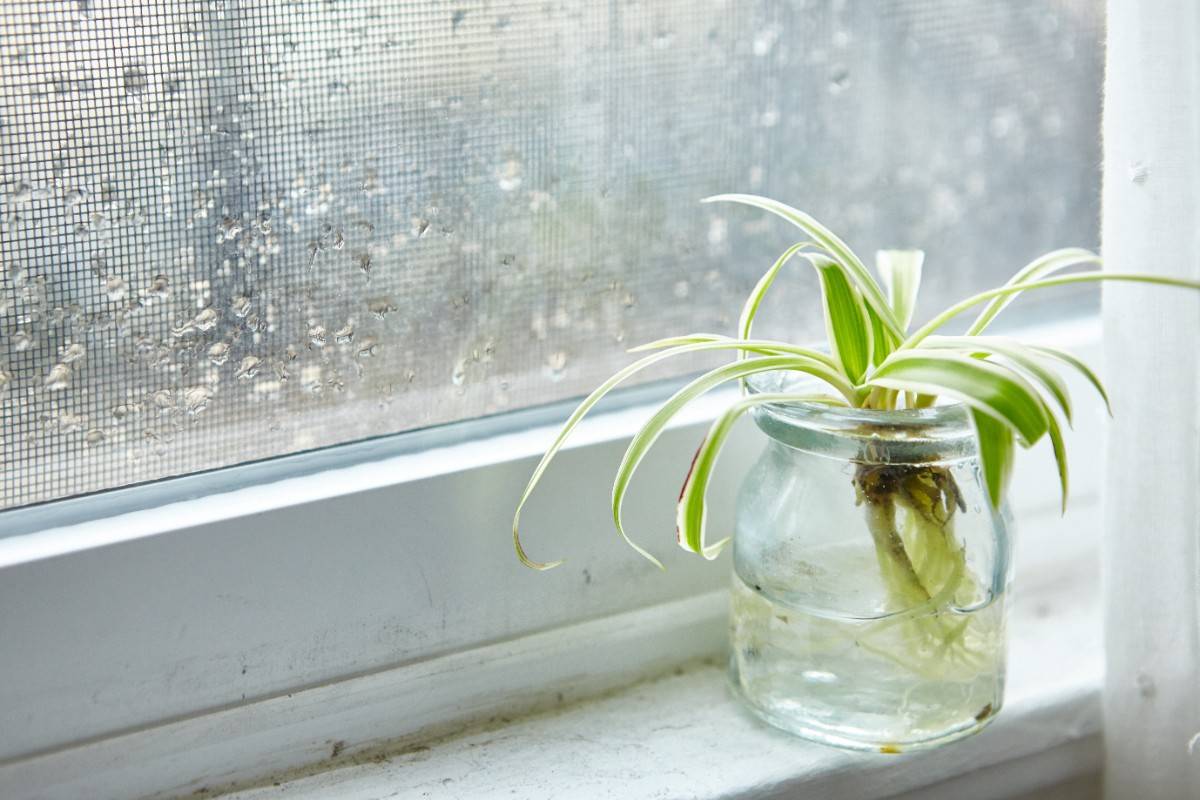
8. Move Houseplants Away from Windows
Plants release extra water through transpiration. When kept beside the window, they can increase moisture levels and cause condensation overnight.
9. Monitor Your Indoor Humidity Levels
To detect humidity levels inside your house, you could use a hygrometer or call someone who has one. A safe level should lie between 40 – 60%.
A higher reading means your house needs better ventilation and moisture control measures.
10. Insulate Windows
A well‑insulated window stays warmer, reducing the chance of condensation forming.
How Ventis’ Expert Help to Reduce Condensation on Windows Permanently
Short-term fixes do help with the issue. It cannot cancel out the damage caused by persistent condensation. Ventis’ technicians know the issue lies in improper ventilation or a slow, hidden leak. We specialise in whole-home and subfloor ventilation solutions that control moisture at the source.
Ventis solutions help reduce indoor humidity levels, prevent mould and mildew growth, protect timber structures and window frames, and improve overall indoor air quality.
For homeowners seeking a long‑term solution, professional ventilation assessments can identify hidden moisture problems and deliver lasting results.
When Should Condensation Be a Concern?
Condensation is a naturally occurring phenomenon that is common during cold winter mornings. However, condensation brings concern when:
- It’s untimely
- Windows are wet every morning
- Mould appears on frames, sills, and curtains
- Paint peels or timber swells
- Musty smells persist indoors
These are direct signs of excess moisture inside the house and should be taken seriously.
Keep Your Windows Clear and Your Home Healthy
Don’t underestimate the impact of condensation. Excess humidity in the air can lead to major problems with your windows, walls and indoor air quality over the years.
By improving ventilation of the property, homeowners can control humidity, dry away moisture, and eventually have clear windows which display how healthy your house is. However, this might not eliminate the source problem directly. If condensation doesn’t seem to go away, or moisture areas are still visible, professional ventilation solutions could be your lasting answer.
Saving your health, house, and investment is in your hands. Call Ventis today for guidance and customised solutions for improving ventilation.
Frequently Asked Questions About Ventilation Systems
How can I stop condensation on windows overnight?
Simple everyday actions like keeping curtains slightly open, installing exhaust fans in bathrooms and kitchens, cooking with a closed lid, and opening opposite windows during the daytime.
Is condensation harmful to my home?
Yes, it can damage the foundation of your home. Condensation indicates high levels of humidity responsible for mould growth, wood damage, and a high risk of termite infestation.
Can ventilation completely remove window condensation?
Yes, ventilation can help with the situation. But it’s not the ultimate solution in every situation.
Does leaving windows open at night stop condensation?
Yes, but it should be noted as only a small step. On the other hand, leaving windows open can’t always be practical.