You put all our efforts into making your home safe and sound. But with insulation, sealed windows, and heating, we don’t let the property breathe properly. A sealed-up home lacks fresh air. You won’t think of it much, but it will lead to poor ventilation, moisture build-up, mould growth, and health issues.
Humidity released while cooking and showering has nowhere to escape; as a result, moisture keeps circulating in the house, making the air stale, heavy, and damp. This guide looks at how a home ventilation system actually works and why moving the air is the only real way to stop condensation on windows while keeping your home healthy.
What is a Home Ventilation System?
Ventilation is extremely important for homes and the people living inside. It’s a process in which indoor air is replaced with fresh air from outside, which used to happen naturally in older homes. But modern homes are made airtight to save on energy. A home ventilation system is installed to let filtered air in through vents, replacing soggy and moist air with dry air. This prevents moisture from setting in and damaging walls and furniture, and stops mould formation.
How Home Ventilation Works
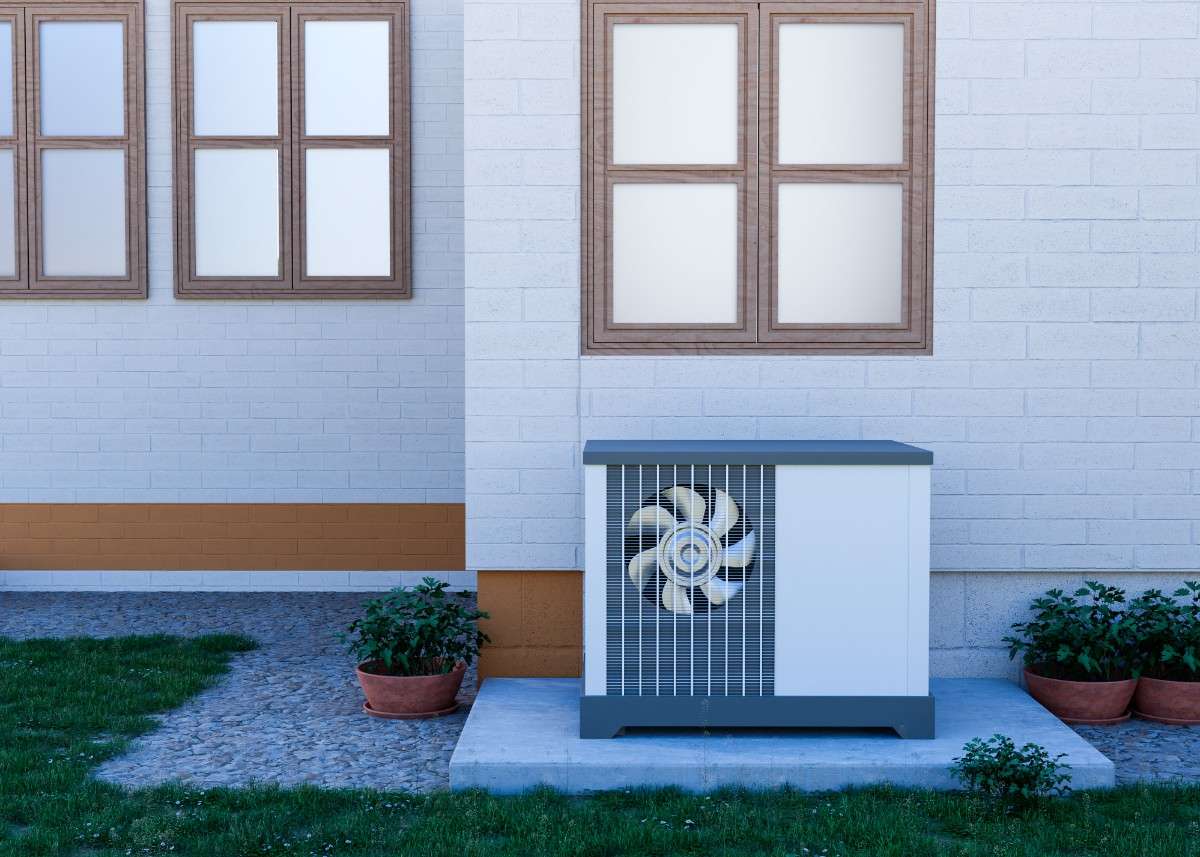
A professional ventilation setup consists of a fan that draws fresh air from outside. It filters air pollution at the same time and distributes fresh, clean air to your rooms through ceiling vents.
Types of Household Ventilation
You can’t always just leave a window open, especially if it’s pouring rain or a humid Sydney afternoon.
- Natural airflow: This is basically just opening doors. It’s free, but it’s unreliable and lets in street noise and dust.
- Mechanical systems: These are setups like Ventis. They run on their own and don’t rely on the wind blowing. They track the temperature and humidity to keep things balanced without you having to touch a dial.
Benefits of Installing a Home Ventilation System
The first thing you’ll notice after installing a house ventilation system is that the “stuffy” feeling disappears. But the real benefits are the ones that save you money on repairs.
Protecting Your Home from Damp and Mould
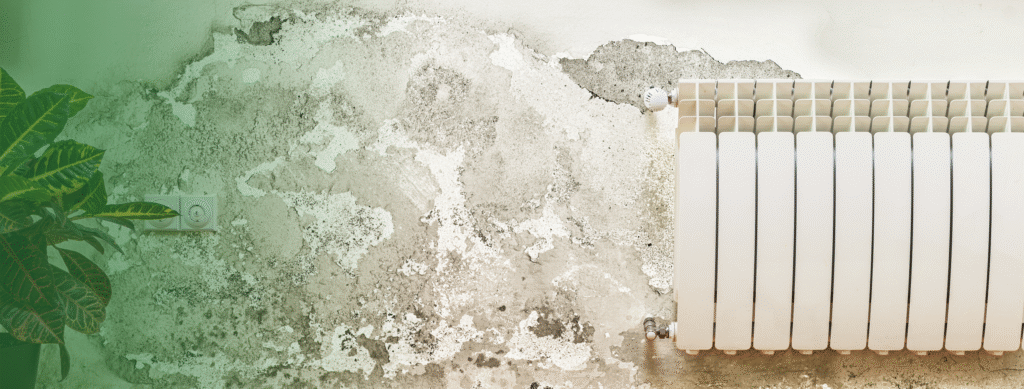
Mould is a silent killer. It grows in dark and damp corners and can spread throughout the property. With ventilation, you keep the air moving, preventing mould spores from sticking to the walls.
Reduce Condensation on Windows Overnight
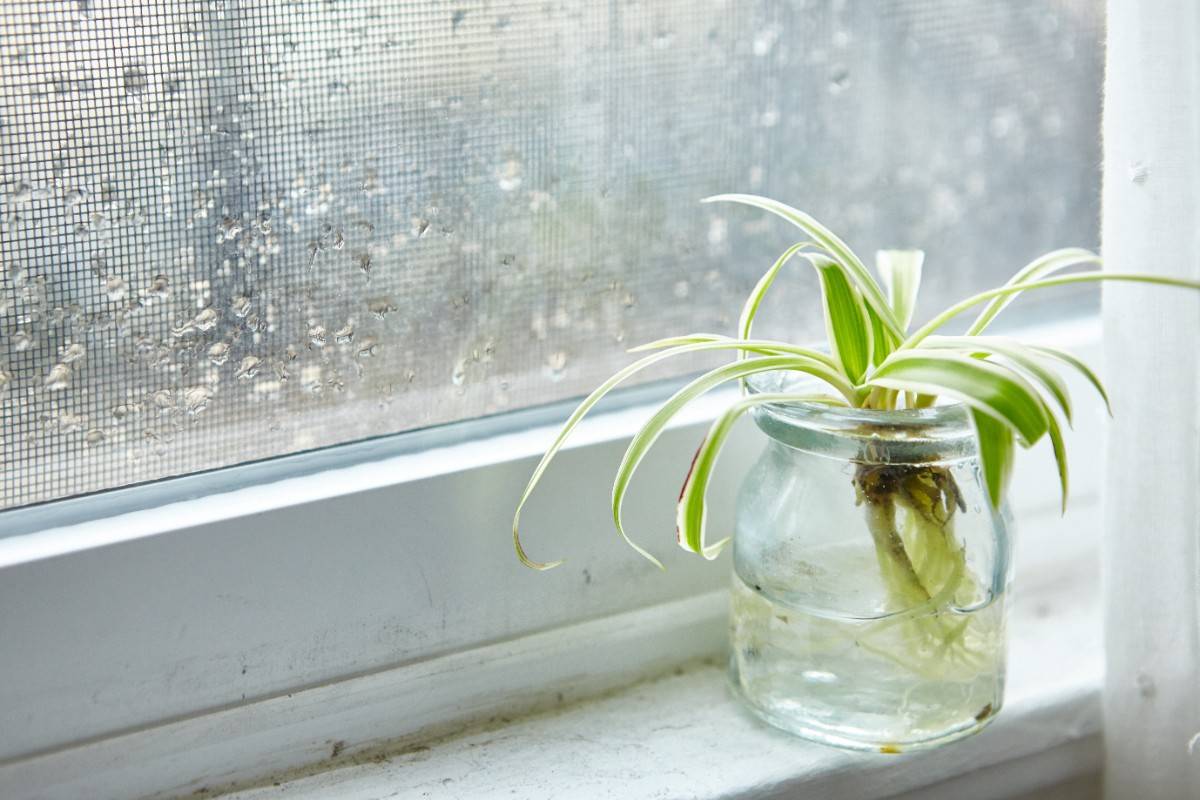
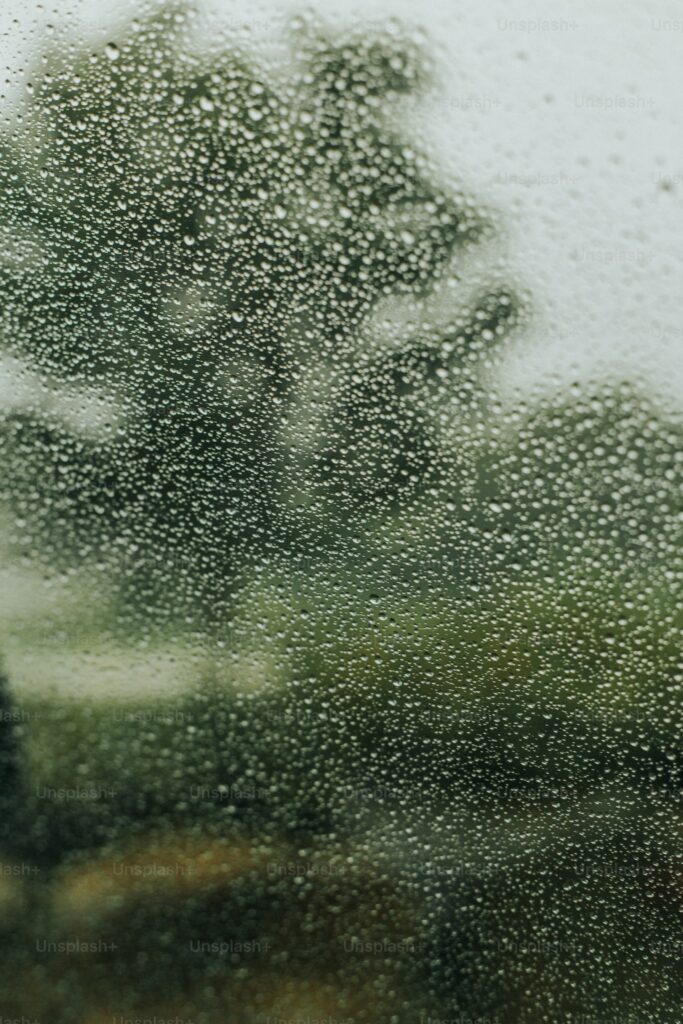
We’ve all seen water droplets collected on the windowsills in the early morning. This happens when the warm, wet air inside hits the cold glass. Over time, that water rots out timber frames and ruins your curtains. A proper system lowers the humidity inside, so moisture never has a chance to turn into liquid on the glass.
Supporting Family Health and Comfort
Fresh air is healthy for you and your family. In humid air, dust mites breed rapidly. The House ventilation system replaces the humid air with dry air constantly. Killing any possibility of dust mites multiplying.
Common Issues in Homes Without Proper Ventilation
Ventilation ensures fresh air to breathe. But when a house is sealed up, problems start to appear in no time.
- Damp clothing: People often find their clothes feeling damp even when stored in cupboards.
- The “musty” scent: A lingering musty smell around the property. It makes the space feel heavy and stuffy.
- Damage to furniture: Trapped moisture seeps into wooden furniture.
- Risk to timber frames: Improper ventilation promotes moisture, which is bad news for homes with timber frames as they start to rot.
Signs Your Home Needs Better Ventilation
You don’t need a lab test to know the air is bad. There are a few dead giveaways that any homeowner can spot.
How to Identify Ventilation Problems
Look at the corners of your ceilings or the walls in your laundry. If you see those little black pepper-like dots, you’ve got a mould problem starting. Another sign is crying windows. If the fog on the glass is thick enough to drip down onto the timber, the house is holding way too much water.
Quick Checks Homeowners Can Do
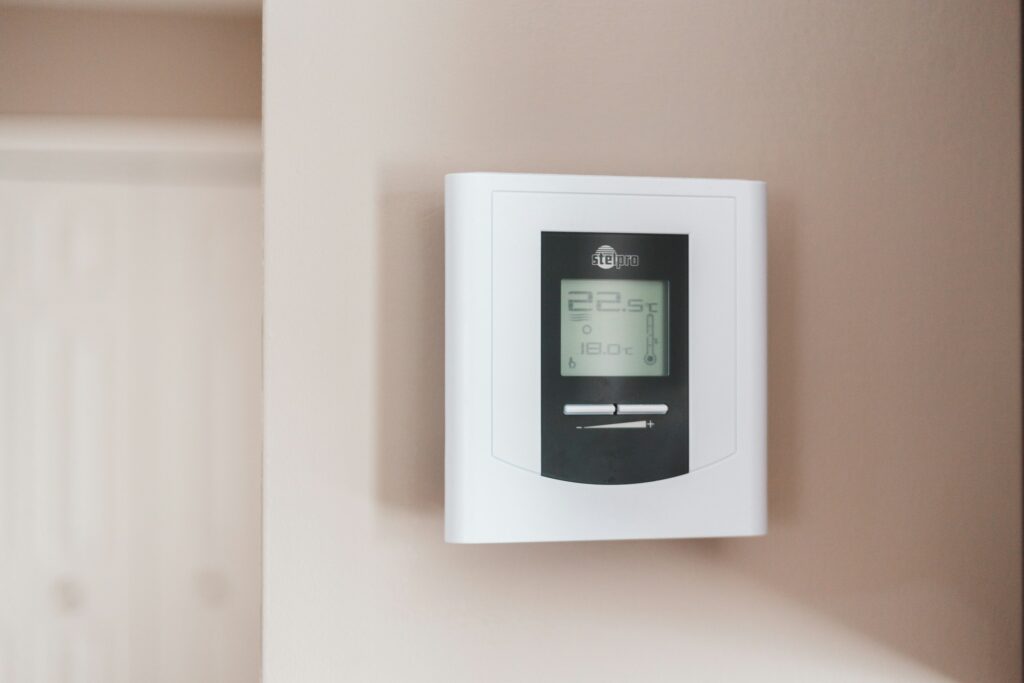
Check your bathroom fan. If the mirror is still foggy ten minutes after you’ve finished your shower, the exhaust isn’t doing its job. You can also check the back of your built-in cupboards. If the back wall feels cold or clammy, the air is stagnant and needs to be moved.
Why Choose Ventis for Your Home Ventilation Needs
Ventis knows how Sydney homes work. We look at your house and find natural gaps for air to escape, and plan a house ventilation system that works without needing unnecessary construction or demolition. Our systems are quiet and equipped with medical grade filter that separates pollen, allergens and harmful dust from the air before pushing it towards vents.
DIY vs Professional Ventilation Solutions
A lot of people try to fix dampness with a cheap dehumidifier from their local store. It can help a little bit in one small room, but it won’t fix the whole house. Dehumidifiers are also noisy, and you must remember to empty the water tank every day.
Benefits of Professional Installation
Professional installation of the ventilation system covers every corner of the house. The vents are placed strategically to increase the reach of fresh air. With such a system, you don’t have to be at the edge of emptying the water tank or worrying about the electricity bill. Professional house ventilation solutions ensure energy efficiency and require very low maintenance.
Ensure a Dry, Healthy Home with Effective Ventilation
A humid home drains your energy and wallet. You’re constantly worrying about mould, cleaning it, and spending money on repairs. Investing in a proper home ventilation system saves you from frequent expenses. You tackle the source of the problem rather than the damage. Installing a ventilation setup means your house has a forever supply of fresh outside air and your family stays healthy.
Frequently Asked Questions About Ventilation Systems
How can I stop condensation on windows overnight?
If it’s getting uncomfortable, then just open a window to let fresh air replace the dampness. But this is only a short-term solution. You need a home ventilation system to prevent condensation.
What is a home ventilation system, and why do I need one?
A home ventilation system is a strategic fan setup that keeps fresh air moving through the home. You need it if your home feels stuffy, humid, or smells musty or has mould issues.
Can ventilation completely remove window condensation?
Yes, in almost every case. It brings down humidity to a normal level, so there’s no reason for condensation to form.
How do I know if my home needs better ventilation?
If your windows get condensation in the morning, there’s visible mould, or there’s a lingering musty smell, you need to work on your ventilation.
How can I get started with Ventis for my household ventilation needs?
To get started, contact Ventis for a home assessment. We’ll inspect your property for condensation and humidity levels and suggest the best possible ventilation set-up.