It doesn’t always announce itself with obvious damage straight away, and rising damp has a quiet way of settling into a home. How it starts is that a few small signs appear here and there, and homeowners often brush them off as aging paintwork or poor airflow in the house. But once the problem takes hold, it can spread through a property far more aggressively than many homeowners expect.
That’s because rising damp isn’t a surface issue. It begins at the base of the wall and works its way up, carrying salts and moisture that weaken plaster, timber, flooring and even the structural integrity of the building. The earlier it’s caught, the easier it is to manage. The trick is knowing what you’re looking at before the rising damp repair becomes a bigger and more expensive issue.
What Is Rising Damp?
Rising damp is simply ground moisture travelling up masonry through capillary action. It’s the same behaviour you’d see if you dipped the corner of a sponge into water. The moisture doesn’t stay at the bottom; it climbs up the sponge.
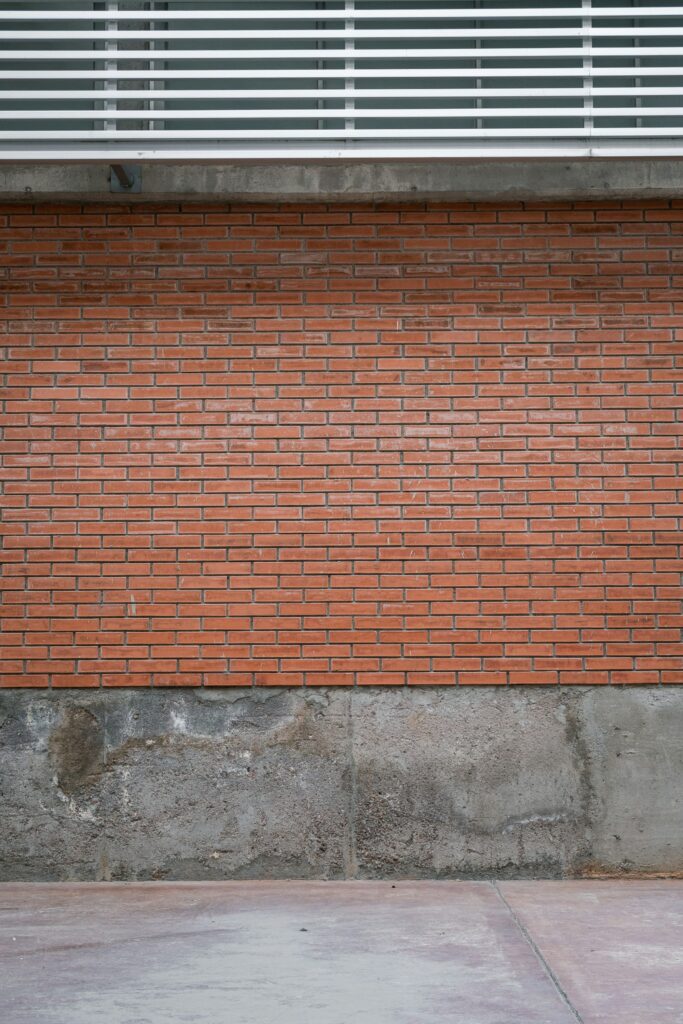
Normally, a damp‑proof course (DPC) sits near the base of the wall to block that movement. But when the DPC breaks down, gets bridged by external soil, or wasn’t installed properly to begin with, there’s nothing stopping the groundwater from rising. As it travels, it carries salts that crystallise on the wall surface and cause long‑term deterioration.
Homes built before modern damp‑proofing standards are more vulnerable, but even newer homes can be affected if the barrier has been compromised. Once it starts, it rarely fixes itself.
What Causes Rising Damp in Internal Walls?
Most cases come back to one of a few root causes. Older homes may never have had a proper DPC, and those that did might have seen it break down over time. It’s also common to see the problem when you have done some landscaping changes. Soil or garden beds can be built up over the years until they sit above the DPC line. That’s known as bridging, and it effectively renders the barrier useless.
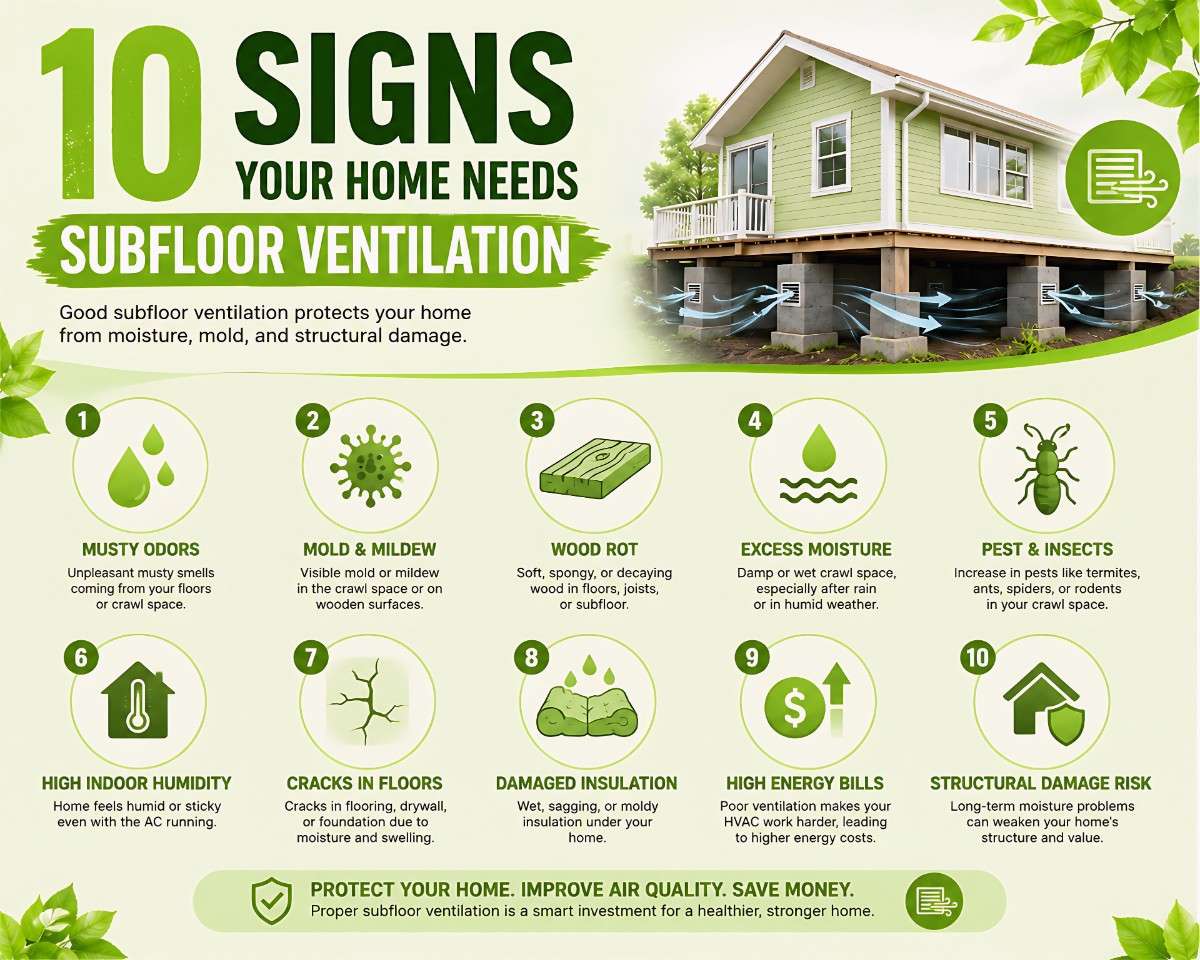
Poor subfloor ventilation often contributes to rising damp. Without proper air circulation underneath the house, the humidity level rises, and that extra moisture puts more pressure on the walls. Leaking gutters or damaged downpipes can have the same effect.
In simple terms:
- Damp enters through capillary action in bricks or mortar
- Salts travel up and crystallise when moisture evaporates
- This moisture dries and re-dampens repeatedly, causing structural damage
Knowing this helps catch early warning signs and take action early, saving you from rising damp repair costs.
5 Common Signs of a Rising Damp Issue
Damp Patches on Walls
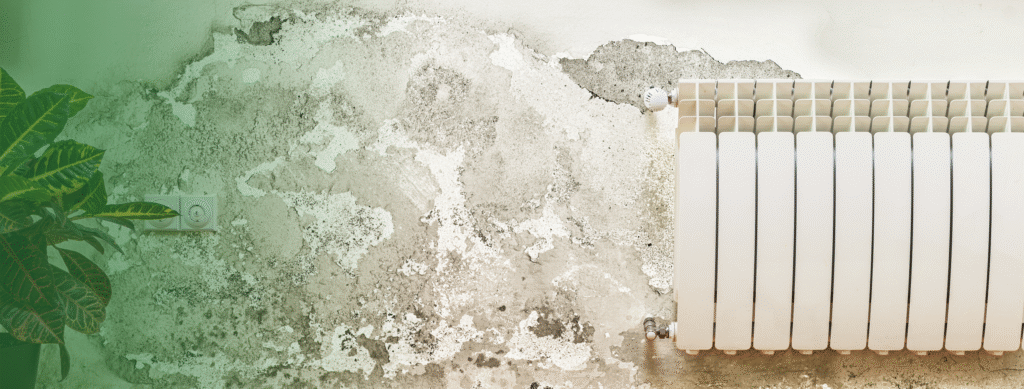
The most common visual signs of internal dampness are patches sitting low on the walls of the house. It can also look like faint tide marks sometimes. Wet patch makes the paint look darker than its original colour, making it easier to spot.
Peeling Paint or Wallpaper
When your walls are not in their best state, it shows on whatever is hanging or sticking to the wall. Paint can be seen blistering, and wallpaper peels or lifts away wherever there’s dampness. The finishes start breaking down because the structure is weak and unable to hold on to anything.
Musty Odours
Often, the first signs are not visible, but something you can smell. Musty, stale, sometimes earthy odour lingers in rooms with damp walls. It also means that there’s poor airflow.
Salt Deposits on Walls (Efflorescence)
As dampness evaporates with time and better ventilation, it leaves behind some residue. The peeled wallpaper, discoloured paint, and a powdery white residue. This is salt, which can be easily wiped off.
Rotting Skirting Boards or Flooring
If you can see skirting boards or flooring rotting and timber feeling weak, this means the damp has been there for a long time.
How to Fix Rising Damp in Existing Homes?
Treating rising damp properly means tackling the source of the moisture and the damage it’s already caused. In most homes, the go‑to solution is a chemical damp‑proof injection. A technician drills into the mortar line near the base of the wall and injects a moisture‑blocking compound. Once that is set, it acts as a new barrier to stop water from travelling upward.
After the barrier is in place, the attention shifts to the internal finishes and working on rising damp repair. Plaster affected by salts simply can’t be saved; it needs to come off so the wall can be re‑rendered with breathable, salt‑resistant materials. This helps the wall dry out properly and prevents the same issues from showing up again.
Outside the home, drainage often plays a bigger role than people realise. Lowering built‑up soil, improving the fall away from the house, and clearing gutters or adding simple drainage channels can all reduce the amount of moisture sitting against the walls.
Homes that don’t get much airflow underneath usually benefit from improved subfloor ventilation as well. Drier air below the floors helps the walls and timbers stay stable over time.
How Can You Prevent Rising Damp in the Future?
Long-term protection starts with solid building stewardship:
- Install an effective DPC at construction or retrofit with a chemical DPC
- Maintain drainage and soil levels around the property
- Ensure adequate ventilation under floors and inside the home to reduce house humidity and subfloor moisture
- Use breathable finishes such as lime-based renders and paints to allow moisture to escape naturally
These strategies protect timber floors from wet rot, keep plaster intact, and maintain a healthy indoor environment over time.
What Are the Most Effective Ways to Reduce Rising Damp?
Different homes need different solutions, but the most effective approach usually involves a combination:
- Chemical DPC Injection: stops moisture rising through the wall
- Salt‑Resistant Plaster: protects internal surfaces after treatment
- Improved Drainage: reduces external moisture pressure
- Subfloor Mechanical Ventilation: lowers humidity beneath the home and supports long‑term drying
Each method targets a part of the problem. When they’re used together, they give the best long‑lasting result.
How Ventis Helps to Fix Rising Damp?
Ventis specialises in subfloor ventilation and moisture control. Our ventilation system circulates dry air, reduces house humidity, and prevents rising damp.
Effective ventilation complements chemical DPC by preventing moisture accumulation that can otherwise bypass the barrier.
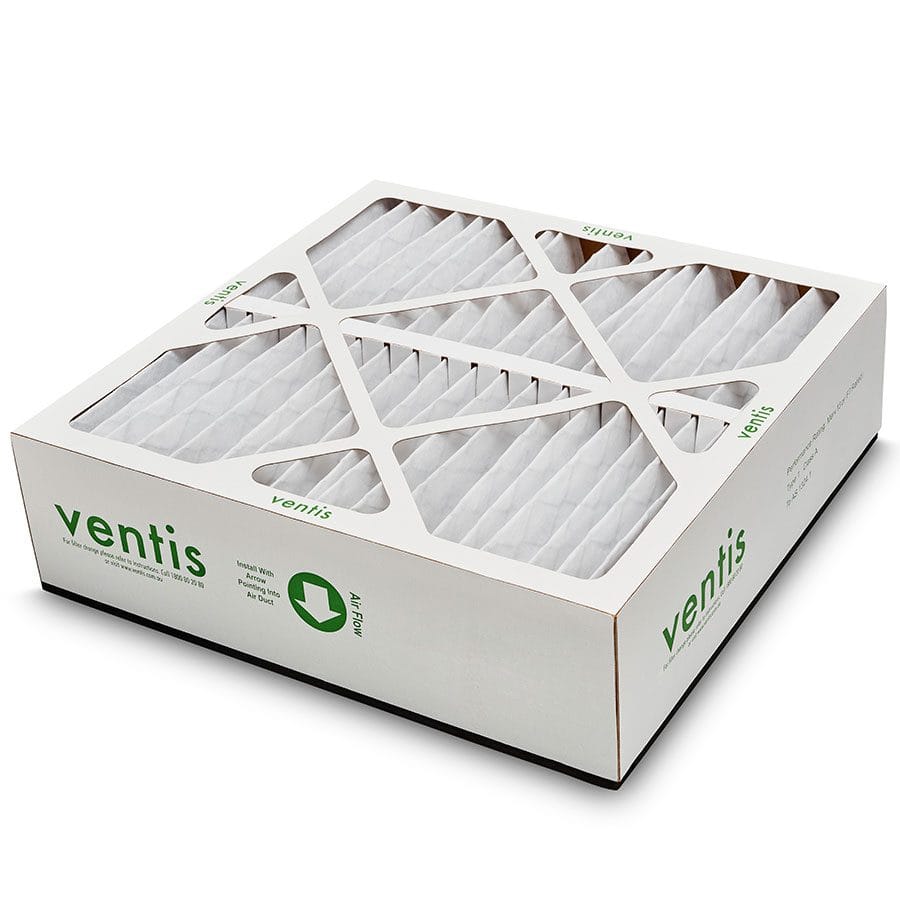
Main components of subfloor ventilation include a ventilation fan or exhaust, flexible ducting, external vents, and timers. Ventis has become a trusted name in effective home ventilation solutions. Our services are designed to work best in Australian conditions and tailored to suit each home’s layout and needs.
Why is Ventis a top choice among homeowners?
- Local expertise with over 15 years of experience
- Customised solutions for each project
- Quiet, energy-efficient fans
- Professional installation and support
- Backed up local support
This smart and low-maintenance method can improve the airflow in your property, reduce allergies, and eliminate dampness.
Protect Your Home from Rising Damp with the Right Approach
It’s not just an aesthetic problem; dampness threatens structural elements as well. And you should fix the rising damp as soon as you notice it.
Check if your house has any direct signs of rising damp.
To fix rising damp, decide on the right approach by doing your research or asking an expert, such as one from Ventis. Combining chemical DPC, waterproof renders, good drainage, and ventilation rebuilds the home’s natural dryness.
If you’ve spotted early signs or just want to guard your investment, get in touch with Ventis today.An individual assessment can help design a suitable mechanical ventilation system for a moisture-free, long-lasting home
Frequently Asked Questions About Fixing Rising Damp
What causes rising damp?
Dampness rises when your property’s subfloor has high moisture levels, and it creeps upward the walls of the house.
What are the signs of rising damp?
If you spot tide marks on walls, peeling paint, salt deposits, a musty smell indoors, or rotting skirting of floorboards, these are direct signs of rising damp.
Does rising damp cause health risks?
Yes, it does. Rising damp encourages mould growth, triggers allergies, asthma issues and other respiratory issues that indirectly cause health risks.
What is the difference between rising damp and rising salt damp?
Rising damp refers to the physical movement of moisture upward. Rising salt damp highlights the salt left behind when that moisture evaporates, which is a symptom of the same process.
How do I get rid of damp?
Treat rising damp by installing or restoring a DPC, removing salt-damaged finishes, improving drainage, and adding mechanical ventilation to limit moisture. Continual monitoring and maintenance are key.