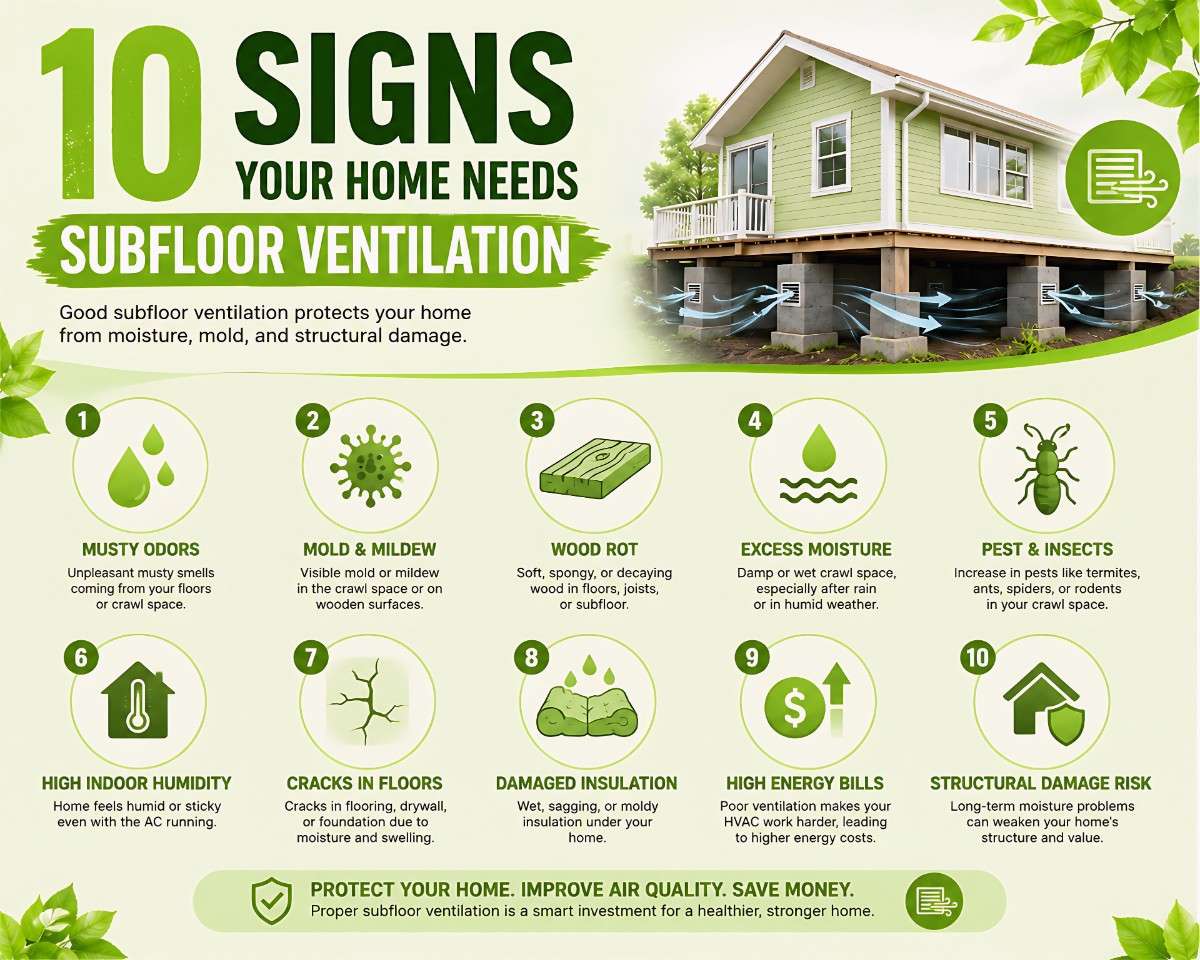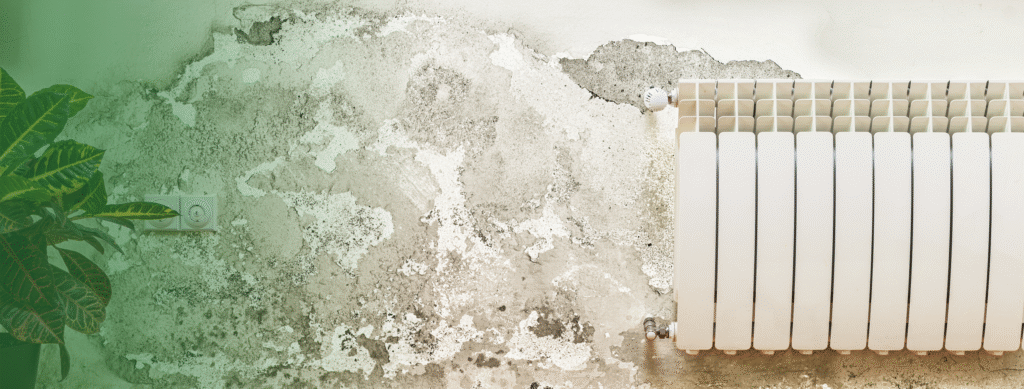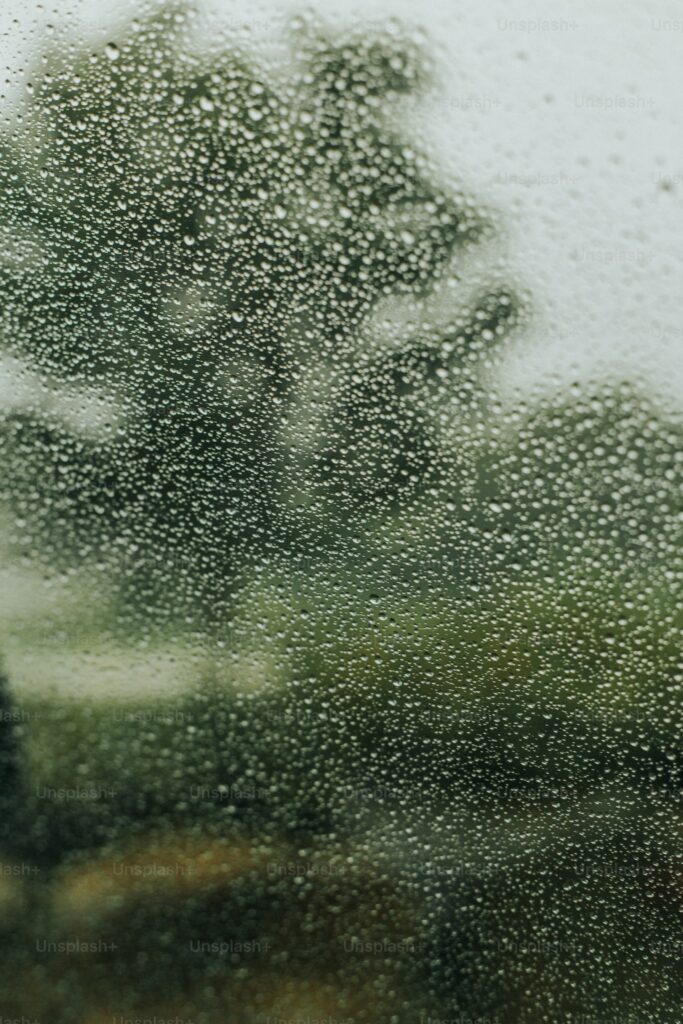
A common problem that many Australian homeowners can relate to is window condensation. With high levels of humidity indoors, cooler surfaces seem to collect small droplets. It may look harmless, but consistent condensation will invite mould growth and property damage.
If you’re a homeowner struggling with excess moisture indoors, you’re in the right place. This blog explains how to stop window condensation, what humidity is, why high indoor moisture becomes a problem, and the most effective ways to reduce house humidity for a healthier, more comfortable living environment.
What Is Window Condensation, and What Causes It to Happen?
A cold one sitting on your kitchen table will get ‘sweaty’ in a few minutes. That is called condensation.
Windows get fogged up when there is a difference in temperature outside and inside the home. Small droplets appear when warm and moist air inside the home meets cooler surfaces like windows. It can be caused by many reasons, like:
- Poor ventilation
- Daily activities
- Lack of insulation
- Indoor humidity
Wiping the droplets off the window is a temporary relief. But you can’t keep doing that all day long, which is why serious solutions are needed.
How to Stop Window Condensation in Sydney Homes: 7 Proven Steps
Some practical strategies that are sure to tackle condensation and balance humidity levels:
1. Improve Ventilation
Airflow is essential for everyone. Opening windows for short periods is a great way to manage the flow of fresh air. But it’s not the most practical way when there’s cold and pollution outside. Now the better solution is getting a complete house ventilation system installed that continuously circulates fresh air.
At Ventis, we specialise in systems that manage airflow and maintain optimal indoor conditions without wasting energy.
2. Use of Air Purifier
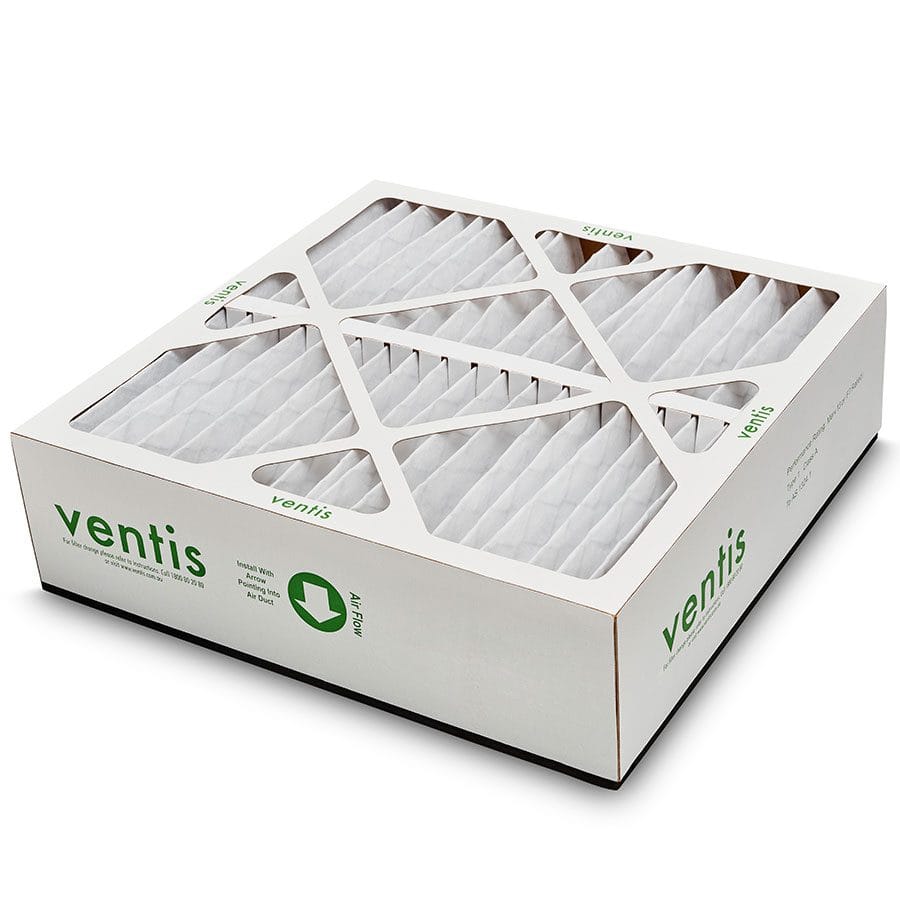
An air purifier does more than remove dust and allergens from the air. It also helps regulate humidity when combined with proper ventilation. An advanced air purifier for the entire house is responsible for regulating fresh air. The incoming air gets filtered, improving the overall air quality and reducing the risk of condensation.
3. Use exhaust fans
Exhaust fans help in pushing humid air out of the home. In bathrooms and kitchens fan should be left running even after use so that steam is removed.
4. Dry clothes outside
When there’s chilly outside, it seems tempting to dry your clothes indoors. But that causes more condensation as drying clothes will also release water vapours which will end up on window surfaces. Use dryer more often and dry clothes outside.
5. Use lids while cooking
When you cook anything, the kitchen becomes warm, and humidity levels rise. Just putting a lid on the pot while boiling the pasta or soup will lock the moisture inside.
6. Insulate and Seal
Insulate and seal your home properly so that the cold from outside will not affect your home. When windows stay warm, there won’t be any condensation.
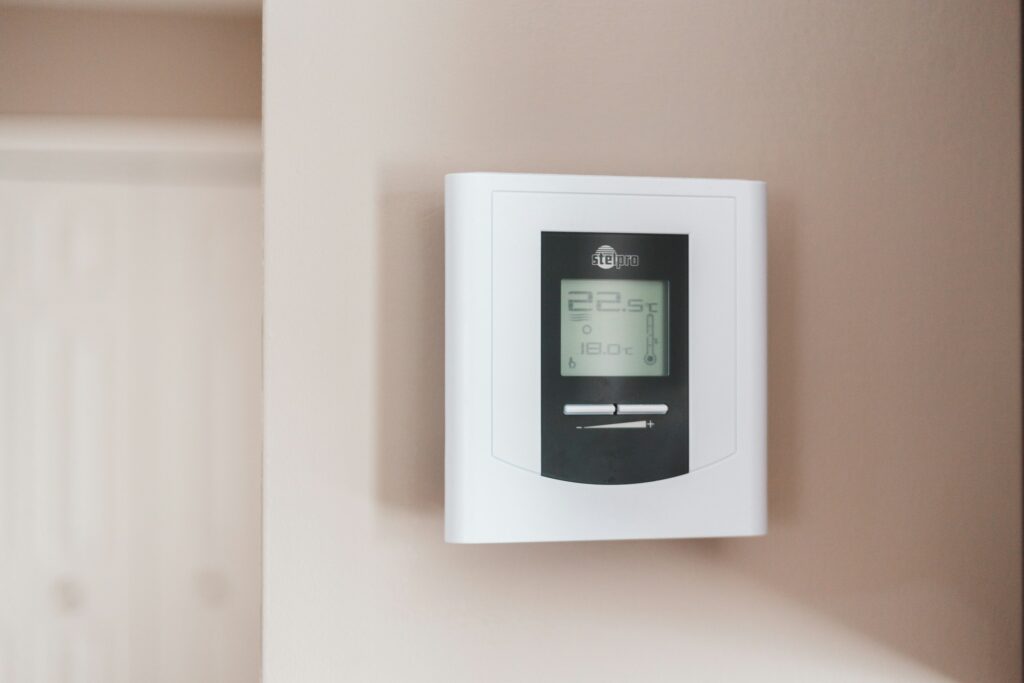
7. Monitor Indoor Humidity
Humidity changes with many factors. One needs to manage humidity levels if they want to protect their residential investment and see less condensation.
Why Reducing House Humidity Is the Real Fix for Window Condensation?
Condensation is just a symptom. The real problem is excess moisture in the air. High humidity can:
- Encourage mould and mildew growth
- Damage timber frames, paint, and plaster
- Make your home feel stuffy and uncomfortable
When you reduce humidity, you protect your home and your health.
How to Prevent Window Condensation with an Air Purifier & Dehumidifier?
An air purifier for entire house cleans the air around the home, making it fit for breathing. In a ventilated space, it can also contribute to balancing humidity. A dehumidifier, on the other hand, does exactly that.
But these are just short-term solutions. To see lasting results, you need a system that manages airflow and filters pollutants on the go.
Common Mistakes Homeowners Make When Preventing Window Condensation
- Relying only on wiping windows: It doesn’t solve the root cause.
- Using portable dehumidifiers as the only solution: They help, but they’re not enough.
- Ignoring insulation: Cold surfaces will keep causing condensation.
- Skipping ventilation upgrades: Without airflow, moisture stays trapped.
How Ventis Helps to Stop Window Condensation?
Ventis spent a lot of time figuring out how Australian homes tick. Our Ventis systems are designed to do the heavy lifting for you. Moist air gets replaced with fresh air continuously, maintaining moisture levels in the home. It’s a set-and-forget way to protect your home and your family’s health.
Prevent Window Condensation and Enjoy a Healthier Home
Your home’s humidity level decides a lot about its health and yours too. A professionally installed ventilation system is the only long-term solution you need. It’s the most effective way to reduce house humidity and prevent condensation issues for good.
Take control of your home’s indoor environment with Ventis today!

Frequently Asked Questions About How Stop Window Condensation
How can I stop condensation on windows permanently?
A permanent solution for window condensation can be listed as a proper ventilation and insulation system. But you’ll still need to practise less humid-producing activities.
Why do my windows get wet inside every morning?
It happens because warm, moist air inside your home meets the cold glass overnight. The temperature difference turns water vapours into droplets.
Can an air purifier for the entire house help reduce condensation?
Yes. When paired with proper ventilation your air purifier can improve the air quality and balance humidity levels.
Why is condensation an issue?
If your home’s windows are often fogged up it indicates poor air quality and possibility of mould growth.